

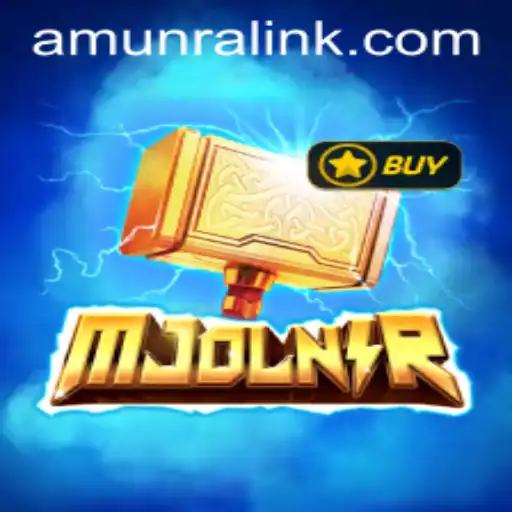
Discover the captivating world of the game Mjolnir, with its unique blend of Norse mythology and Egyptian influences through the character AmunRa.
Enter the World of Mjolnir: Where Norse Mythology Meets Ancient Egypt
The realm of gaming continually evolves, pushing the boundaries of storytelling and introducing players to captivating universes. One such game that has captured the imagination of many is Mjolnir. With roots deeply embedded in Norse mythology, this game seamlessly weaves ancient stories into an interactive experience. However, what truly sets it apart is the introduction of AmunRa, a character that bridges the gap between Norse legends and Egyptian history. This article dives deep into what makes Mjolnir a standout title, its rules, and the global context shaping its narrative.
The Intriguing Fusion of Mythologies
Mjolnir is not just another game exploiting the popularity of Norse mythology; it reimagines these tales through a unique lens. The centerpiece of this narrative is the mighty Mjolnir, Thor's legendary hammer, which players are tasked with reclaiming after it is stolen by powerful adversaries. The twist? The forces of ancient Egypt, led by the enigmatic AmunRa.
AmunRa, representative of the sun and creation, introduces Egyptian elements into the story, challenging players to consider how different mythologies can intersect. Throughout their journey, players encounter obstacles that blend aspects of both cultures, from Egyptian pyramids and temples to Norse runes and symbols, creating an environment that feels both familiar and entirely new.
Gameplay Mechanics and Rules
Mjolnir is designed as an action-adventure game, where players embody a character chosen by the gods to retrieve the lost Mjolnir. As they navigate treacherous landscapes, they must master a variety of skills drawn from Norse and Egyptian magic. Here are some of the important rules and gameplay mechanics that players must understand:
Character Development and Skills
The game begins with players selecting their character from a class of divine champions. Each character comes equipped with unique abilities and skill sets, influenced by either Norse or Egyptian deities. As players progress, they earn experience points (XP) that can be used to enhance their abilities, unlock new powers, and customize their fighting style.
Quests and Challenges
Players are presented with a main quest revolving around the recovery of Mjolnir. However, side quests featuring Egyptian and Norse mythology are abundant, offering additional rewards and lore. Completing these quests requires players to solve complex puzzles, showcasing their understanding of the intertwining mythologies.
Combat Mechanics
Combat in Mjolnir focuses on skill and strategy. Players must adapt their fighting techniques, combining physical attacks and magical abilities to defeat mythological creatures and powerful bosses, each inspired by Norse giants or Egyptian gods. Strategic mastery over both magic and melee is crucial for success.
AmunRa: The Egyptian Intrigue
The inclusion of AmunRa as a central figure in Mjolnir adds depth and complexity. His presence challenges players to explore beyond Norse traditions, diving into the pantheon of Egyptian myths. As the storyline develops, AmunRa's motivations become key to understanding the balance between the two mythologies.
This character serves as a catalyst for the game’s main theme: the clash and melding of different cultures. He forces players to make moral and strategic decisions that reflect the broader interplay of these ancient civilizations. By confronting AmunRa, players also confront the relevance of myth in today’s interconnected world.
Global Context and Current Events
In today's era of globalization, the game's narrative mirrors current events where different cultures and belief systems increasingly interact and intersect. Just as in Mjolnir, where Norse and Egyptian lore influence one another, modern societies continuously blend traditions and ideas.
The game's storyline invites players to reflect on this dynamic, offering a form of digital escapism that simultaneously encourages cultural appreciation and understanding. This approach aligns with a growing trend in gaming and digital media, highlighting the importance of sharing diverse perspectives and histories.
Mjolnir also serves as a reminder of the relevance of ancient myths in contemporary life. By exploring these age-old stories within a modern context, players can draw parallels between past and present, enriching their understanding of both the game’s content and real-world issues.
Conclusion: A Mythological Journey Worth Taking
With its intricate weaving of Norse and Egyptian tales, Mjolnir offers a fresh and captivating journey through mythological landscapes. The introduction of AmunRa as a pivotal character creates unique challenges and opportunities for storytelling, appealing to both history enthusiasts and avid gamers. As players embark on their quest across beautifully rendered worlds, they engage with a narrative that is both timeless and timely, inviting reflection upon the enduring power of myth in shaping human experience.




0 Comments